
10 Best Baby Foods UK 2024 | Paediatrician Reviewed
When you are introducing your baby to exciting new foods and flavours, you want them to enjoy the taste experience, plus you want to know that the meal or snack products are the most natural and nutritious choices available.
Weaning is an important and exciting stage in your baby's development, starting from about 6 months. The foods you choose can lend a hand in aiding digestion and boosting their immune system and brain health. In this guide, we've looked at the best jars, pouches and more, from brands in the UK like HiPP Organic and Ella's Kitchen — to help you decide what to pick as your little one's first baby foods.

Dr Jonathan Henderson is a consultant paediatrician who practices for the NHS and his award-winning private practice. His medical qualifications (MB, BAO and BCh) were all completed at Queen's University Belfast in 2007. He then obtained his membership with the Royal College of Paediatrics and Child Health in 2012 and later became a college fellow in 2019. In addtion to his clinical work, he contributes to e-learning programmes and teaches paediatrics internationally to other healthcare professionals. Dr Henderson, who is on the speciality register of the General Medical Council, has a keen interest in promoting quality improvement in paediatrics and has presented work both regionally and nationally.
A recommendation service that carefully researches each product and consults with experts across many disciplines. We are constantly creating new content to provide the best shopping experience from choosing ‘cosmetics’ to ‘food and drink’, ‘home appliances’ to ‘kids and baby’ products, reaching users all across the United Kingdom.
The expert oversees the Buying Guide only, and does not determine the products and services featured.
With Specialist Consultation From Paediatrician Dr J Henderson

Dr Jonathan Henderson is a consultant paediatrician practising for the NHS, as well as privately. His medical qualifications (MB, BAO and BCh) were all completed at Queen's University Belfast in 2007.
He then obtained his membership with the Royal College of Paediatrics and Child Health in 2012. In addition to his clinical work, he contributes to e-learning programmes and teaches paediatrics internationally to other healthcare professionals. Check out more about him on his website.
How to Choose Baby Food in the UK
- Weaning Usually Starts at around 6 Months - Choose Food Suitable for Your Baby's Age
- When Selecting Jars and Pouches, Consider the Convenience and Developmental Benefits
- Excite Your Baby's Tastebuds - Offer a Variety of Flavours
- When Considering Food Allergies or Dietary Needs, Check the Label and Website
- For the Healthiest Baby Food, Try to Avoid the Unnecessary Additions of Salt / Sugar
Choose Suitable Food for Your Baby's Age – The First Stage of Weaning Usually Starts at 6 Months

Babies tend to be ready to add solid food to their diet of breast milk or formula milk from about 6 months of age. It is because of this that the vast majority of baby foods will be targeted at 6 months and above.
The first stage of weaning is often referred to as stage one. The second stage can normally be undertaken at 7 months or more when food can become a little more solid and starts involving different flavours and textures. Once you find a brand you trust, all you'll need to do is check the packet for the intended age, as well as the consistency.
To help make mealtimes fuss free, check out our suggestions for the best baby bibs, the best high chairs and the best dinner sets for kids.

Guidelines around the introduction of solids (weaning) are recommended from 6 months of age. There are some medical reasons for starting this earlier in some infants, so check with your doctor or health visitor before doing so.
At the early stage of introducing solids, most nutrients will come from breast milk or first infant milk, also remember this is helping those muscles of the mouth get used to moving a bolus of food from the mouth to then swallowing.
Consider the Convenience and Developmental Benefits of Jars and Pouches

Pouches Will Always Be the Best Choice for Mess-Free Eating on the Go
Pouches are a more recent invention in the world of baby food, created to be easier to use on the go. They are also easy to store and take out when needed and they don't require any cutlery.
The pouches are not necessarily designed for babies to squeeze straight into their mouths, although this has become a widely accepted way of them being consumed. This does make mealtimes slightly less messy, but it doesn't allow children to properly see and interact with their food, which many believe is important for development.
This is such a fun messy developmental phase. But if stains when eating out are not something you want to be concerned about, then pouches can be used either directly into the child's mouth or dispensed onto a spoon for feeding.
It's Also Worth Picking Up Food in Jars for a More Interactive Eating Experience at Home
Baby food in jars is the more traditional choice. They are less user-friendly than pouches as a spoon is required, and they are trickier for your baby to consume by themselves. On the other hand, spooning out your baby's food and serving it to them, allows them to see and feel their food. Although this might create a little more mess, it will really help to healthily develop their future relationship with food.
Also consider the environmental impact of your baby food choices - rinsed glass jars can be easily recycled kerbside. On the other hand, pouches need cutting open, washing, drying and taking to specialist drop-off points for recycling.
The first five years of child development is so important. They explore the world, and their surroundings and playing is a large part of this. Encouraging a child to encourage use their hands, by exploring the textures of foods is great for this.
Food aversion can occur for many reasons; anything that improves the enjoyment of a meal will certainly help prevent this from happening, so jars are recommended.
Opt For Foods Requiring a Little More Preparation if Budget Is a Priority
For baby food that isn't packaged in individual portions, a larger box or can is often used. These containers are usually better value for money and generate less packaging waste. However, these foods usually require a bit more work (making a porridge, for example) so are not as convenient for when you are out and about. They are however, ideal for use at home.
We want the best for our children, but as a parent, our world can be hectic balancing all the demands that we meet daily Planning ahead can help with this, saving money as well as providing nutritious food for your rapidly growing child.
Excite Your Baby's Tastebuds With a Variety of Flavours

Children are known for being quite fussy when it comes to food. Luckily, the choice of tastes and textures when it comes to baby food is vast, you're bound to find something healthy which your baby will accept.
Some baby foods are marketed as being sweeter, often involving lots of fruit, and others are more savoury and replicate more sophisticated meals and flavours. Some combine the two by having a mixture of fruit and vegetables — so going for a selection is probably your best bet.
Feed your child with the colour of the rainbow! Aim for a variety of sweet and savoury of all food types, introduced over time, especially those you commonly use in your cooking as a parent. Encouraging a good relationship with food can help later when your child becomes a toddler and expresses their own wants and needs.
Don't Forget to Check the Label and Website if Your Baby Has Any Food Allergies or Dietary Needs

You may be intending to bring your child up following a certain diet, such as; vegan, vegetarian, gluten-free, or organic. Equally, your child may be allergic to certain foods such as dairy or wheat, making a more restricted diet a necessity.
Either way, scrutinise the label and the company's website - you need greater detail than just the printed packaging information, to work out if key allergens are processed in the same factory as the baby food you are considering.
Alongside the regular baby food options containing meat, dairy, and wheat, there are now plenty of delightful products that cater for a plant-based, gluten-free or organic diet. Of course, it is always worth seeking medical advice, to make sure that following these dietary measures still allows your child to meet all of their nutritional needs.
There are many food allergy risk factors. If concerned, you should discuss these with your GP or health visitor. They can also suggest alternatives to meet nutritional targets for your chosen family diet. A helpful resource to visit in the UK is the Allergy UK website for more information. If an allergy is suspected, make sure you seek medical advice and be aware of the signs and symptoms.
Try to Avoid Unnecessary Additions Like Salt and Sugar for the Healthiest Baby Food

Finally, with baby food, it is obviously a good idea to keep things as simple and as natural as possible. This means no added salt, sugar, palm oil, or artificial ingredients. The majority of baby foods now advertise clearly that they don't have any of these in, so you should be able to see pretty quickly if this is the case or not.
The digestive system of an infant is immature, even if your baby was born around their due date. So it's essential to support infant gut health and protect the good bacteria there.
Adding the likes of salt or artificial sweeteners is unnecessary and are linked to increased risk of diabetes and obesity in the long term. Furthermore, dental hygiene is just as important for baby teeth as for adult teeth. Tooth decay can occur in infants consuming too much sugar, so don't add it.
10 Best Baby Foods in the UK
| Products | Image | Click to purchase | Popularity | |
|---|---|---|---|---|
1 | Vegetable and Lentil Bake|Pack of 6 Ella's Kitchen |  | No.1 | |
2 | Joyful Green Purée|Pack of 6 Little Inca |  | No.2 | |
3 | By Nature Spaghetti Bolognese Heinz |  | No.3 | |
4 | Veg & Chicken Noodles HiPP Organic |  | No.4 | |
5 | Pear, Banana, Coconut Milk and Baby Rice|Pack of 5 Piccolo |  | No.5 | |
6 | Sweet Potato & Carrot Greek Style Yoghurt|Pack of 6 Little Freddie |  | No.6 | |
7 | Creamy Porridge|Pack of 5 Cow & Gate |  | No.7 | |
8 | Farley's Original Rusks Heinz |  | No.8 | |
9 | Mango & Carrot Pure Fruit & Veg Paws|Pack of 20 BEAR |  | No.9 | |
10 | Cerelac Honey & Wheat With Milk Nestlé |  | No.10 |
Ella's KitchenVegetable and Lentil Bake | Pack of 6
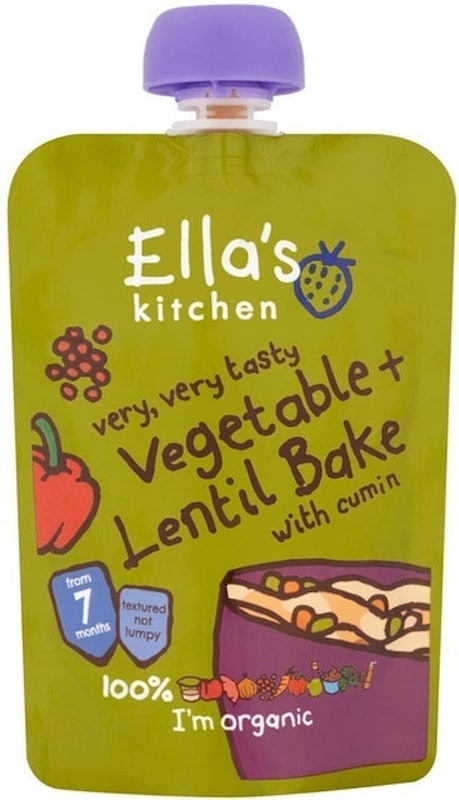
Ella's Kitchen pride themselves in creating organic baby food which is free from anything artificial, so this had to be our number one choice. In fact, the entire range contains only natural ingredients such as organic tomatoes and organic red lentils, with some organic meat-containing options too.
So, you can rest assured you're feeding your little one healthy, well-balanced meals to give them a great start. The no-mess pouches are available as singles or mix-and-match purchases, and there are clearly labelled vegetarian and gluten-free options available within the range too.
Little IncaJoyful Green Purée | Pack of 6
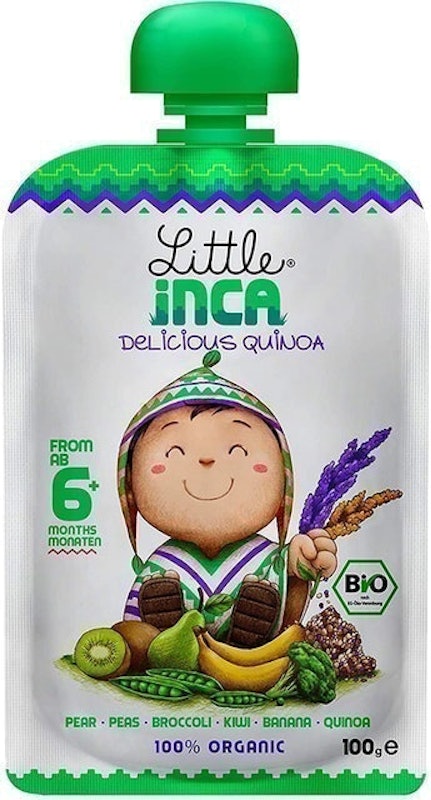
Quinoa has become a very popular food in recent years thanks to its health benefits - it is brilliantly high in protein and very easy to digest. This baby food is made from a base of organic quinoa, so now you can provide your baby with food that has these excellent nutritional properties too.
It combines organic, predominantly 'green' fruits and vegetables (peas, broccoli, kiwi, banana) with the quinoa, to provide your child with a balanced diet and an exciting mixture of flavours. This is an easy-to-digest purée with no added sugars. 80% of the packaging is made from plant-based plastic and the Little Inca factory is powered by solar energy!

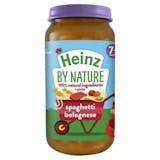
Spaghetti Bolognese is a popular go-to when it comes to feeding the whole family. Now, there's no reason why the smallest members of the family can't be part of the fun too. This baby-friendly version contains lots of exciting textures and flavours without being overwhelming.
In order for it to replicate the adult version as well as it can — this jar contains only natural ingredients that you'd expect to find in a homemade creation, providing 2 of a toddler's 5-a-day from the vegetables.

This delicious-sounding main meal is ideal for slightly older babies - it contains small chunks to encourage chewing skills. It still follows all the normal rules for baby food: no added salt, sugar, artificial colours or preservatives to be found here.
HiPP is a proudly organic and well-respected baby food brand. For those who care about the planet, it is a huge bonus that you get all this organic nutritional goodness in a 70% recycled- glass jar, which itself is easy to recycle.
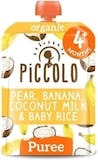
PiccoloPear, Banana, Coconut Milk and Baby Rice | Pack of 5
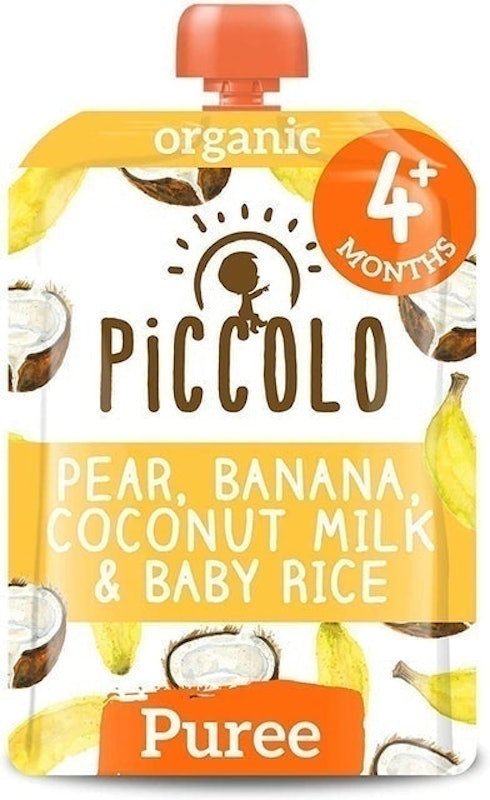
This pack comes with 5 ready-to-go pouches. The fruity flavour is balanced with with the coconut milk, adding a creaminess whilst still being free from dairy. Piccolo also avoids using palm oil in their recipes, making them better for the planet.
The pouches are lovingly made with 100% organic ingredients, which have been carefully combined (there are savoury options too) into appetising blends. Piccolo really shows its ethics by donating 10 % of its profits to charities which help local families.
Little Freddie Sweet Potato & Carrot Greek Style Yoghurt | Pack of 6
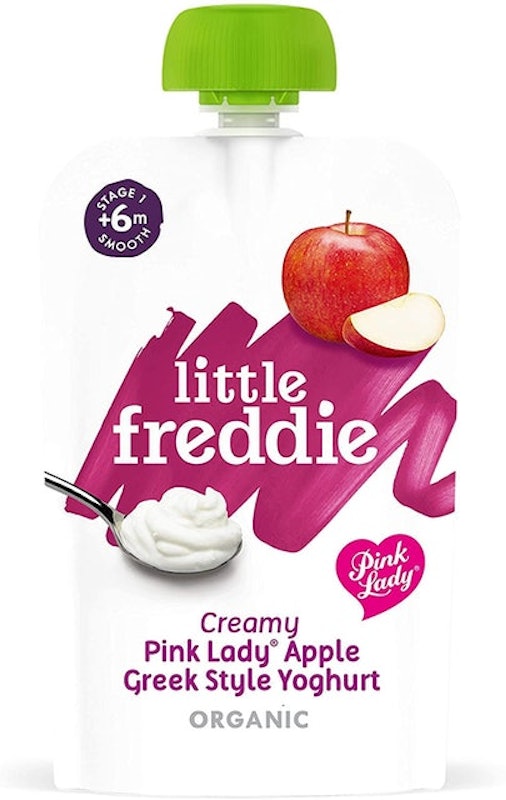
The creaminess of this yoghurt means your little one is bound to love it. This pouch provides vitamins and fibre from the pink lady apple puree along with essential protein and minerals from the Greek-style yoghurt and oats — all of which are organic.
Made by a food-loving dad, Little Freddie products are made using the highest quality ingredient sourced from around the world. Unlike some of the other options on this list, this pouch isn't a full meal, but the surprisingly delicious flavour combo is a great way to introduce other flavours during the first steps of weaning.
Cow & GateCreamy Porridge | Pack of 5
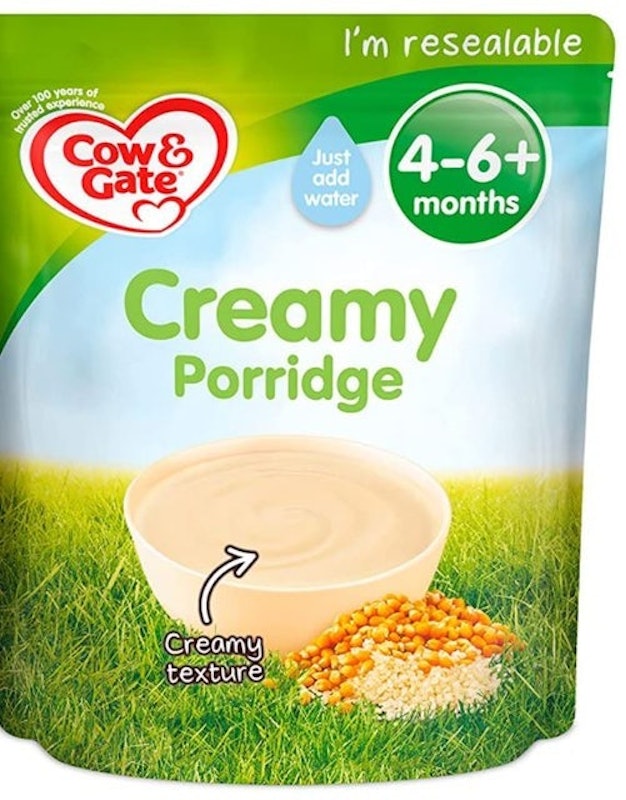
This Creamy Porridge from Cow & Gate is a great breakfast option for children just beginning the weaning process. Made from a blend of milled corn and rice, it's gluten-free and contains lots of vitamins and minerals too.
Unlike some of the other options on our list, a little more preparation is required. You need to add water so it's not easy to prepare on the go, but it is in easily-resealable packaging and it's ideal for breakfast times at home.

These biscuits for children have been popular for generations. They have a mild flavour, suitable for a young palette, and can be transformed in a variety of ways. When your child is younger, mix with liquid and serve them as a porridge. As they get a little older, the biscuits can be used to teach your children to feed themselves and chew.
Rusks are fortified with lots of vitamins and minerals, but compared to other baby foods currently on the market, this product contains a fair amount of sugar. It also contains palm oil which is an unsustainable ingredient.
BEARMango & Carrot Pure Fruit & Veg Paws | Pack of 20

These cute little nibbles are a great option for a low-sugar snack when you're looking for something to keep your toddler happy. BEAR's "no added nonsense" approach means they contain just 4 completely natural ingredients.
This snack is great for older babies and toddlers, but shouldn't be given to children who are younger than 12 months, due to the choking risk. They also shouldn't be used as a replacement for a more well-rounded meal.

Once your baby is a little bit older and breakfast begins to become a bigger part of their day, this can be introduced. It makes a sort of porridge-like paste so it is easy for your child to eat. It is also fortified with plenty of important vitamins and minerals.
This product does contain honey, which makes it sweeter than some parents might like. It is also made up of wheat and milk, so will not be suitable for a dairy-free or gluten-free diet, and it contains some artificial additives too which isn't ideal.
More Time? Try a Homemade Baby Food Recipe
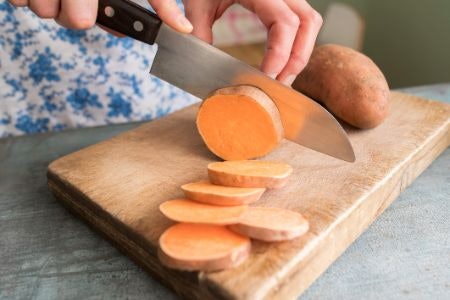
If you'd like to supplement your shop-bought baby food with a homemade version once in a while, we've got just the thing — a protein, iron, and fibre-rich Lentil and Sweet Potato Puree from BBC Good Food.
Frequently Asked Questions
When Should You Start Feeding Baby Food to Your Child?
Weaning should start when the baby is around 6 months old and be done while gradually continuing to bottle or breastfeed them, so that they are fully nourished. Introducing food is a big part of their development, as it helps to strengthen and form their teeth and jaws for future language development.
How Much Baby Food Should You Feed Your Child a Day?
This will depend on how old your baby is, however, you should always start with small amounts, like a couple of tablespoons and gradually increase it as they get older. Nevertheless, you shouldn’t fixate too much on quantity, more on the importance of letting them explore new textures and flavours.
What Type of Baby Food Should You Start With?
A baby's digestive system is still developing at this stage, so it’s important not to overload the system with too many new flavours and textures all at once. Start with single-ingredient puréed food and work your way towards mashed food to introduce more texture, then eventually move onto finger foods to promote chewing.
The descriptions of each product are referenced from content available on manufacturer, brand, and e-commerce sites.