10 Best Sake UK | Gekkeikan, Choya and More
For those who are beginners when it comes to sake, we’ve provided a guide to the basics such as the brewing process and the most popular types that you can find in the UK. Then, we’ve listed some of our favourite products to buy at Amazon, eBay, and Japan Centre. Get ready to discover your new favourite drink, which will perfectly complement a sushi and sashimi dinner!

A recommendation service that carefully researches each product and consults with experts across many disciplines. We are constantly creating new content to provide the best shopping experience from choosing ‘cosmetics’ to ‘food and drink’, ‘home appliances’ to ‘kids and baby’ products, reaching users all across the United Kingdom.
How to Choose a Sake in the UK
- Choose a Type of Sake According to Your Taste and Alcohol Preferences
- Search for Sake With at Least 55% Polishing Rate for Better Flavour
- Identify SMV Value to Determine Dryness (+10) or Sweetness (-10)
- Opt for Sparkling Sake If You Want Lower Alcohol Content
- Try Fruit Flavored Sake If You Enjoy Sweet Drinks
There Are Four Main Types of Sake Available in the UK: Try Ginjo-Shu for a Premium Sake, or Junmai-Shu for a Savoury Taste
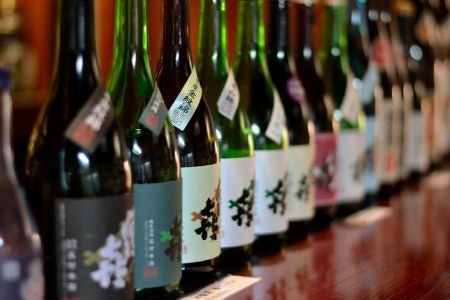
Choose Junmai-Shu or Junmai Daiginjo-Shu Sake for a Pure Rice Wine With an Umami Falvour
Junmai-shu and junmai daiginjo-shu sake have no added alcohol - they're made with only rice, water, and kome-koji. As a result, they're considered pure rice wines with a more umami (savoury) flavour than an alcohol-based sake. However, junmai daiginjo-shu differs slightly from junmai-shu because it contains rice grains that are milled to 50% or less of their original size - this means it's a premium quality sake.
Honjozo-Shu Sake Has Added Alcohol, Making It a Great Choice if You Like Drinks With a Kick
Ginjo-Shu Is a Premium Sake That’s a Top Choice for Enthusiasts and Special Occasions
Ginjo-shu is made from a small amount of distilled brewer’s alcohol and rice which is polished to 60% or less of its original size. As it involves much longer milling and fermenting processes, it’s considered a premium type of sake. This premium status, as well as its light and fruity aroma, make it a good choice for sake enthusiasts or special occasions.
While you're here, why not explore a range of the best Japanese Whiskies and Japanese Plum Wines?
Look For Sake With a Polishing Rate Above 55% For a Cleaner and More Refined Flavour
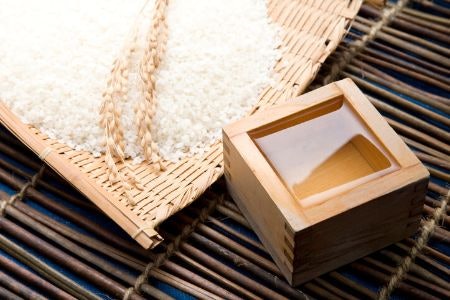
Most sake products will therefore state the rice polishing ratio in the form of a percentage, which indicates how much of the husk has been polished away; the percentage shown on the bottle will state the amount of rice remaining unpolished. Go for a lower percentage if you want a top-quality, great-tasting sake.
These are the polishing requirements for Junmai sake without added brewer's alcohol:
- For Junmai: No minimum rice polishing rate, but at least 15% polished Koji Rice
- For Tokubetsu Junmai: 60% minimum rice polishing, at least 15% Koji Rice
- For Junmai Ginjo: 60% minimum rice polishing, at least 15% Koji Rice
- For Junmai Daiginjo: 50% minimum rice polishing, at least 15% Koji Rice
Check the Sake Meter Value to Determine the Sweetness : -10 Is Very Sweet, +10 Is Exceptionally Dry
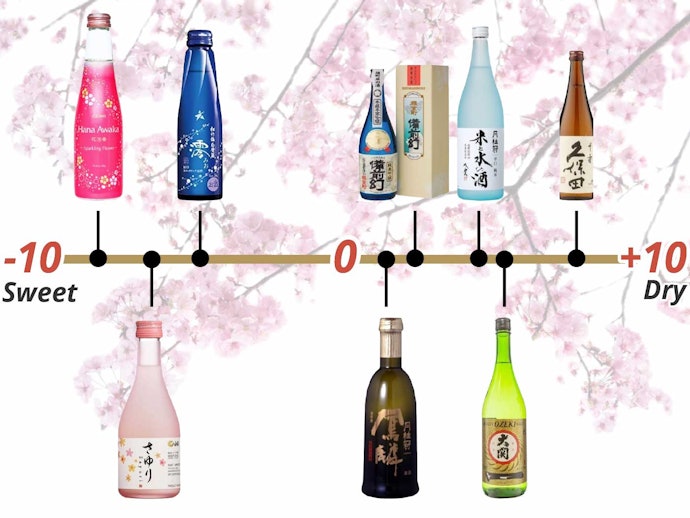
For example, a sake of -10 would be super sweet, whereas one that's +10 would be incredibly dry. The SMV number is therefore something useful to look out for when assessing which kind of sake will suit your taste buds.
Sake Usually Contains No More Than 14%-16% ABV : Opt For a Sparkling Sake for a Lower Alcohol Content Around 5 - 8%

Now, let's discuss the alcohol content of sake. As we mentioned earlier, this type of tipple is actually pretty mild and usually contains no more than 14%-16% alcohol. If you prefer something with an even lower alcohol percentage, try a sparkling variety of sake. Naturally subtle and sweet, sparkling sake typically contains 5-8% of booze. It makes a fantastic substitute for champagne when celebrating a special occasion!
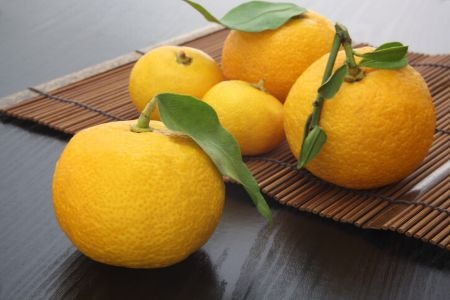
Consider Fruit Flavoured Sake With Peach if You Like Sweet Drinks, or Yuzu for Tart Citrus Flavours
Check out an upcoming favourite: Japanese shochu.
1. There Are Four Main Types of Sake Available in the UK: Try Ginjo-Shu for a Premium Sake, or Junmai-Shu for a Savoury Taste
| Products | Image | Click to purchase | Popularity | |
|---|---|---|---|---|
1 | Horin Junmai Daiginjo Sake Gekkeikan |  | No.1 | |
2 | Kome To Mizu No Sake Junmai Sake Gekkeikan |  | No.2 | |
3 | Smooth and Dry Sake|Pack of 6 Choya |  | No.3 | |
4 | Hana Awaka Sparkling Flower Sake Ozeki |  | No.4 | |
5 | Ozeki Premium Junmai Sake |  | No.5 | |
6 | Shirakabegura Mio Sparkling Sake Shochikubai |  | No.6 | |
7 | Tokubetsu Honjozo Sake Akashi-Tai |  | No.7 | |
8 | Junmai Ginjo Sake Bizen Maboroshi |  | No.8 | |
9 | Senju Authentic Japanese Sake Kubota |  | No.9 | |
10 | Junmai Nigori Sayuri Sake Hakutsuru |  | No.10 |

Gekkeikan Horin Junmai Daiginjo Sake
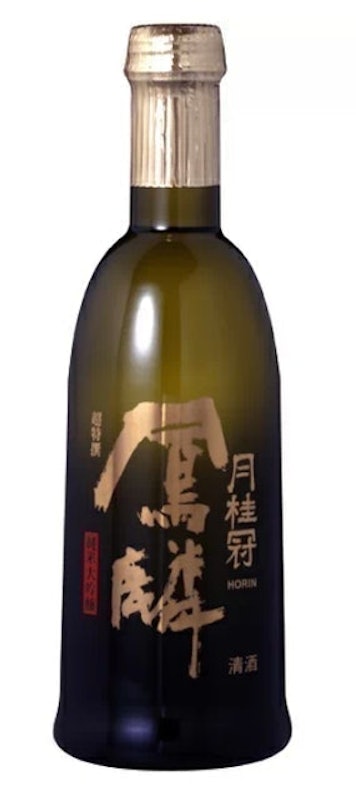
This exquisite junmai daiginjo by Gekkeikan consists of fresh spring water blended with two different types of premium sake rice. With hints of cantaloupe, honeydew, honeysuckle, and pear, it's fruity but delicate in flavour.
An SMV of +2 means this drink is dry and medium-bodied, so it goes well with light dishes such as summer salads or fresh fruit. Despite the high-quality ingredients, luxurious taste, and fancy-looking bottle, this product is incredibly affordable. If you're looking for the perfect introduction to sake, you've found it!
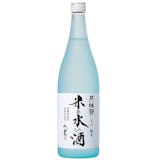
GekkeikanKome To Mizu No Sake Junmai Sake
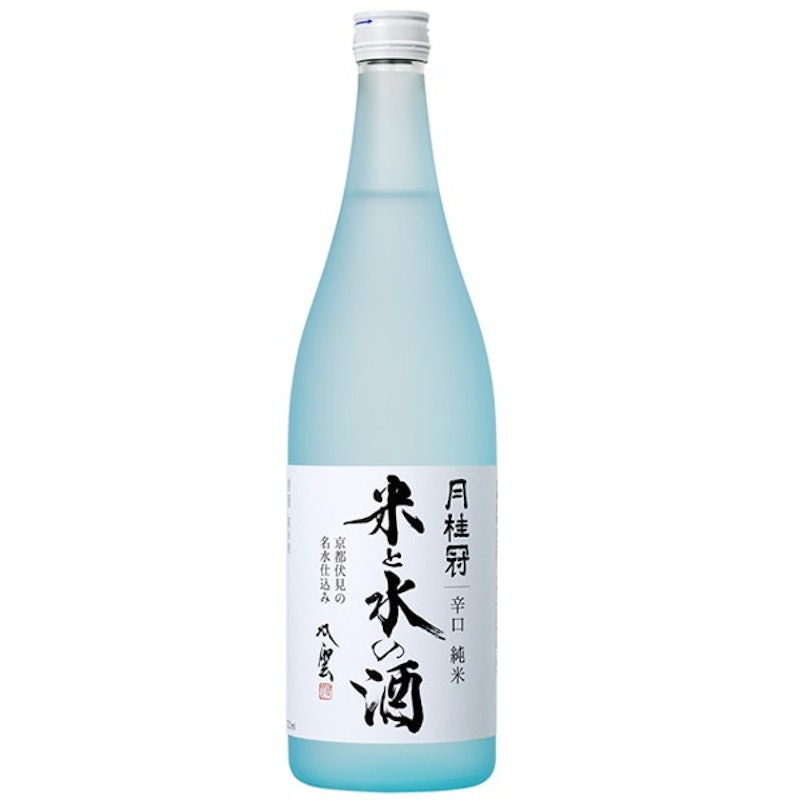
This Junmai-shu is made from carefully selected koshihikari rice that is excellent for making sake, paired with fresh spring waters to produce a light, well-balanced sake. It boasts a mellow, full-bodied flavour, with a fruity aroma and a refreshing aftertaste.
The stylish blue bottle is meant to attract people who have never tried sake before, but it's also a preferred choice for seasoned sake drinkers. Kome To Mizu can be enjoyed hot, at room temperature, or cold. It's also great for sake cocktails and infusions.
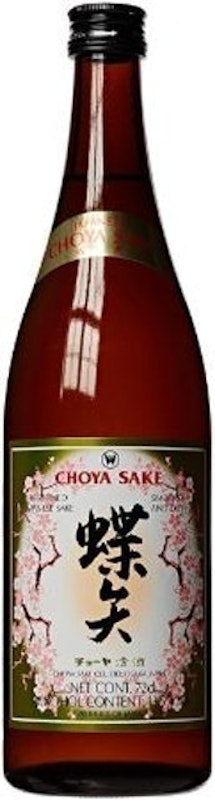
This sake tastes great straight, especially alongside traditional Japanese cuisine like sushi, but it can also be used as a mixer for cocktails. Plus, the size of the bottle means that this is definitely a cost-effective choice if you plan to indulge in a glass of sake regularly!
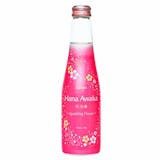
OzekiHana Awaka Sparkling Flower Sake
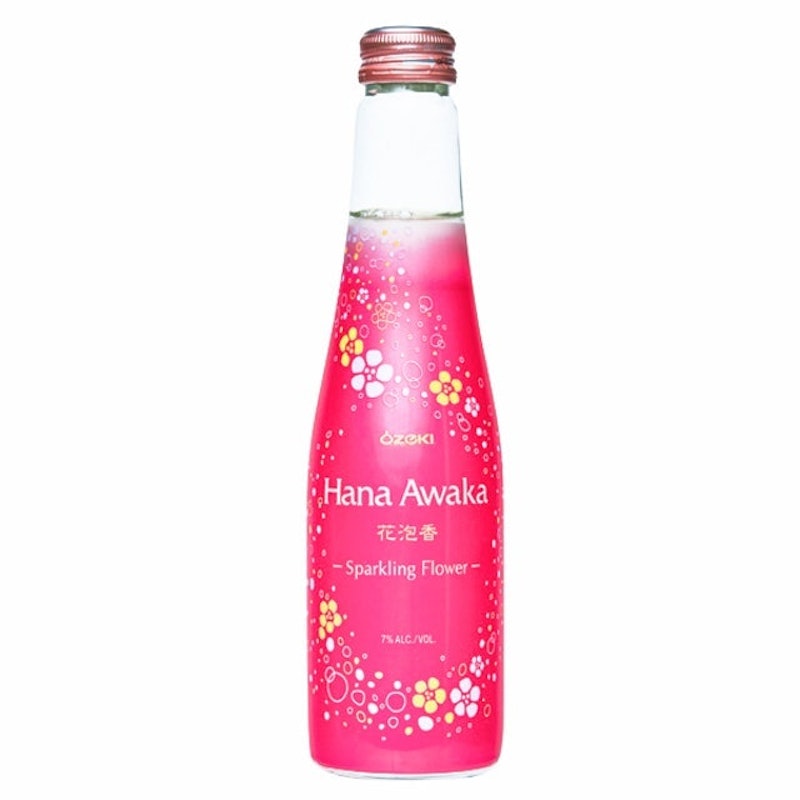
Experience the true flavour of rice with this sake. Fizzy, tangy, and fun, it is best served chilled. This mini bottle of sake is ideal for a picnic with pals on a sunny day or a boozy brunch at home - just add ice and enjoy!

Ozeki Premium Junmai is one of the three sakes brewed by Ozeki for the first time in California, US in 1979. It became the house warm sake served in Japanese restaurants in the US for over 40 years.
This junmai-shu is full-bodied and dry with earthy notes. Well-balanced and versatile, it's perfect as an everyday sake and a great introductory sake. Enjoy it at room temperature, warm during the cold months, or served on ice in a cocktail.
Shochikubai Shirakabegura Mio Sparkling Sake
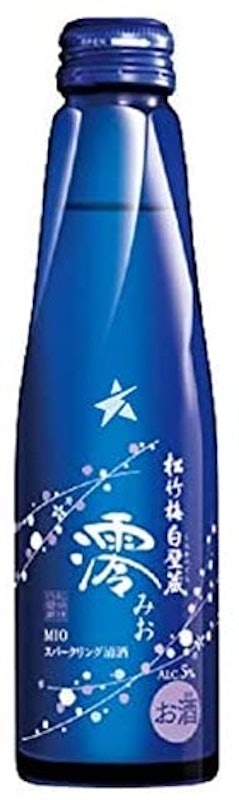
Elegant and super sweet, this low-alcohol option by Shochikubai is a real treat for the tastebuds. It's lightly carbonated but still tastes wonderfully smooth. Plus, how pretty is the floral design on the bright blue bottle?
There's a strong aroma of Muscat grapes and fruit, resulting in a soft sweetness and a clean, crisp taste. Unfortunately though, this sake tastes best on its own, so you'll have to bring out a different bottle if you want to wow your dinner guests!
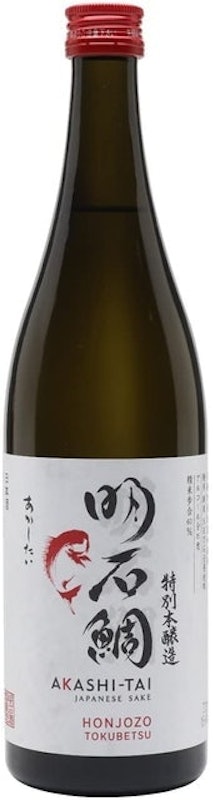
The Akashi Sake Brewery is a 4th generation family-run brewery that has been making sake for more than 150 years. This Honjozo-shu is an excellent introduction into Akashi-Tai's connoisseur sake range.
It is a delicate and complex sake with a creamy mouthfeel and tropical fruit aromas created from Gohyakumangoku rice that has been processed down to 60% of its original size. What you get is a light and elegant sake with fruity notes. Enjoy slightly chilled or at room temperature in a wine or sake glass.
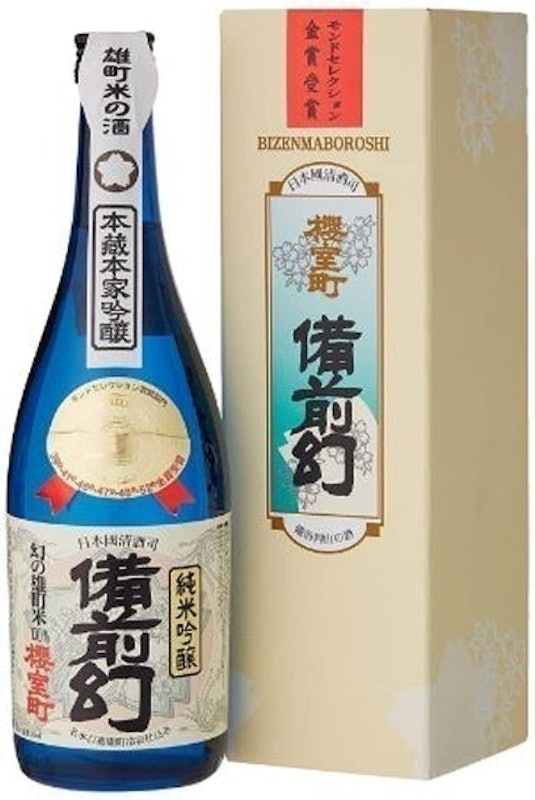
While this is one of our more expensive recommendations, the quality of the ingredients used make it well worth the price. Furthermore, the beautiful packaging of the bottle (including a matching box) make this sake perfect for giving as a gift.
Kubota Senju Authentic Japanese Sake
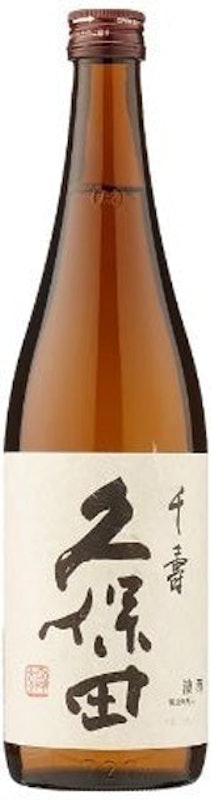
We particularly love the striking calligraphy on the packaging - it'd look fab on your kitchen side or as the centrepiece of your dinner table. However, it’s an expensive product that might not be as appealing to sake newcomers as some of the cheaper items on our list.
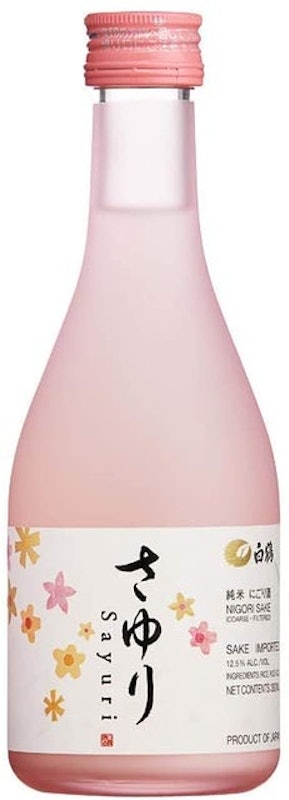
What you get is a light, smooth, and slightly sweet sake with a hint of creaminess due to the coarse filtering process. If you want a mild and refreshing sake, this is the one for you. This sake is best paired with Yakitori or Sukiyaki, as well as Western cuisine.
Sake Is an Alcoholic Drink Made From Fermented Rice
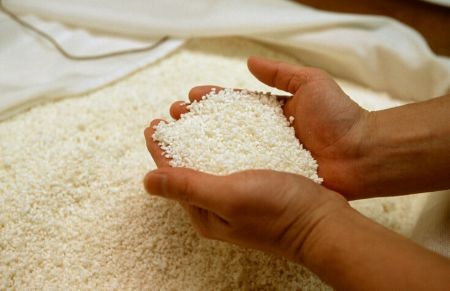
The rice is firstly polished, removing the husk, before being washed, steamed, and cooled down again. Then the kome-koji is added, which breaks down the rice’s enzymes into sugars and allows it to become fermented. The resulting liquid is filtered and pasteurised, usually more than once, until it becomes what we know as sake.
How to Serve Sake
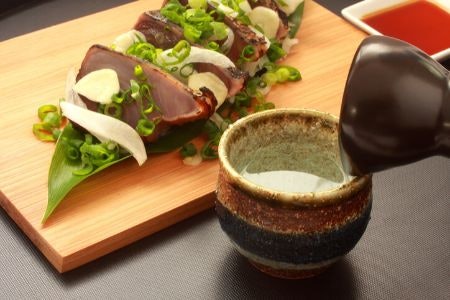
During colder months, hot sake will warm you right up! However, heating up top-quality sake will cause it to lose its flavour. So, whilst you can drink junmai-shu and honjozo-shu sake at any temperature, ginjo-shu is best enjoyed chilled or at a lower temperature.
Written and researched by Nicola McClements
The descriptions of each product are referenced from content available on manufacturer, brand, and e-commerce sites.